For Little Eyes Only
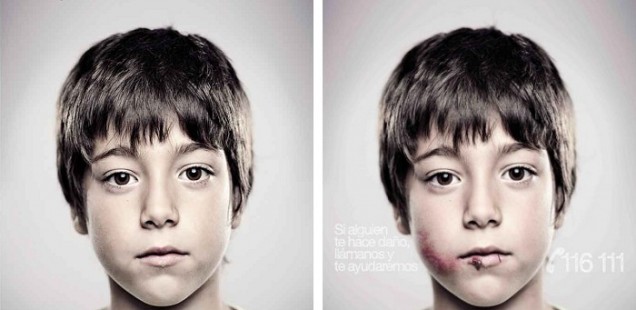
Hoping to aid children in abusive situations with a way out, the Spanish organization ‘Aid to Children and Adolescents at Risk’ (or Fundacion ANAR) has created campaign of provocative posters, the hidden images of which can only be seen by a child.
A technique called lenticular photography makes the organization’s details and contact information visible only to those of a certain height. For an average 10-year-old (around 4 feet 5 inches) the image will show a child who is bruised and hurt, along with a plea asking a child to call the organization if they are being hurt. Adults see an image of a normal child without any bruises, cuts, or scars on his face with the text “Sometimes, child abuse is only visible to the child suffering it.” The idea is that if a child is being abused and they see this poster, they will know where they can go for help without their abuser witnessing the same image.
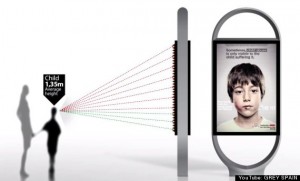
This campaign relies heavily on pathos. The images depicted in the ads are of children who appear beaten, depressed, and hurt. The pictures are provocative and somewhat disturbing – these are not the normal posters you tend to see while waiting for your bus. An ethos appeal certainly comes into play as well. The organization is obviously established and has experience dealing with these issues; one can tell because of the work they are exerting to prevent children from being abused further if at all possible. One could even argue that this campaign uses logos to appeal to the viewer. The image appears differently to people of different heights, so that only children are intended to see an ad about child abuse. This logic is not stated in so many words on the picture, but the reasoning behind these tactics are sound and likely effective.
Attention to audience is crucial to this ad. Because the organization sponsoring this campaign aims to reach out to children in unfit situations, it is important to appeal to them. This is tricky, however, because the organization obviously intends for the kids to be the sole audience rather than having their possible abusers view this information about where the child can go to get help. The lenticular photography technique allows for the campaign to reach its intended audience. The exigence that is behind the creation of this ad is obvious. Child abuse is a serious problem all over the world. Studies have shown that it is rare for a child to report that they are being abused – most reports come from observers or those whose professions legally require them to report suspicious behavior. It is necessary that children know where to go if they are seeking help, and this ad promotes that idea.
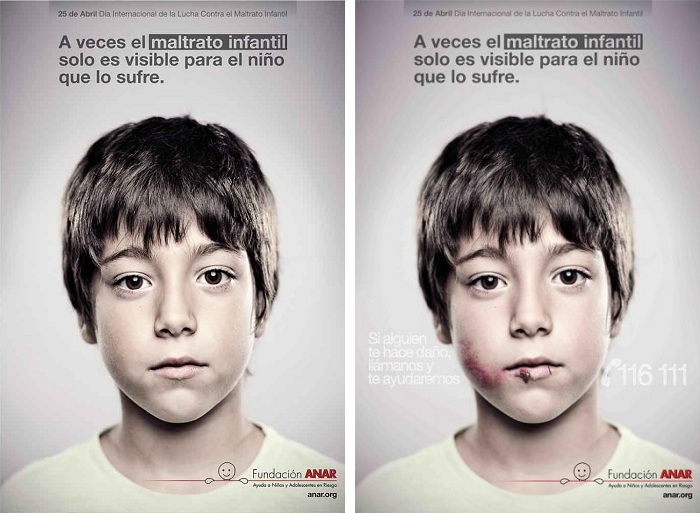
It is not known how many children have reached out to this organization after witnessing this campaign, though the campaign has succeeded in another aspect. The unique and clever technique used to broadcast this message has brought attention to the issue, forcing people to be aware of the problem. Whether an abused child decides to call this hotline themselves or others around them become more aware and attentive to the children around them who may be suffering, this campaign to draw attention to a critical issue is succeeding.
For an overview of the ad and how the lenticular photography technology works, watch this video explaining the how, what, and why behind the organization’s campaign.
For more information, visit the Huffington Post or Gizmodo.com
 Views All Time
 Views Today
This is an extremely interesting technique! I looked up some other ads that use this technique and one that I thought was cool is a chemical ad that says children see things differently (https://www.youtube.com/watch?v=8dCReHlhNhE). As a person walks by, the chemical bottles are changed to children’s toys. This technique seems extremely effective for showing multiple views of one message.