Same topic, two stories: Depression in the blogosphere
I chose to read two blog posts about depression, as I wanted to observe how two different blogs could focus on the same topic. Despite how both posts described depression, the two blogs focused on entirely different stories.
The first post I read was ‘Depression and the Limits of Psychiatry’ featured on the NYTimes Blog site. The author, Gary Cutting, is extremely professional and clear in his writing. He is a professor of philosophy and his knowledge and expertise becomes clear through this post, as he uses terms and references that would be familiar to those in the field. Because Cutting’s blog post is published on the New York times website, its audience could possibly include all internet users and particularly those who read the New York Times. He also includes links to the works he references, which exposes the reader to other information as well. The post is not visually captivating. There are no pictures besides two small thumbnails, one depicting the author and the other presenting the logo of the blog. For the audience to remain interested, they must be truly interested in the topic at hand and must be willing to read through the information provided despite its lack of aesthetic appeal. The post begins with a contradiction, stating that something that was once not included within the guidelines of a certain qualification now is, and the post then ends by reaffirming why the change was made, which brings the entire piece together.
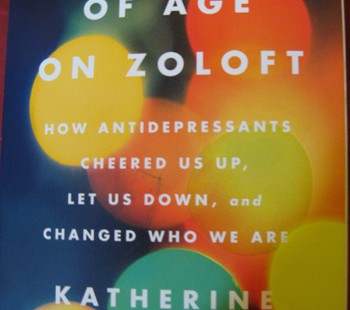
The second post is titled ‘Coming of Age on Zoloft;’ it is featured on blog section of the Scientific American site. Upon clicking the link to the page, I was surprised to discover that this particular blog post is a book review, the book in question bearing the same title as the blog post. The author of this post, Janet D. Stemwedel, is somewhat more conversational than Cutting. She still provides a considerable amount of scientific fact, but she uses a familiar tone through personal words like ‘us’, implying that she and her reader are on the same level of understanding. This post is similar to the NYTimes one in that it is exposed to Scientific American readers and features links to other information. It is also similar in that only two images are featured within the post: a thumbnail depicting the author and a larger image showing the book being reviewed. Stemwedel manages to keep the audience compelled through quotes cited in the book, an interesting and controversial topic, posing questions for the reader to contemplate, and casual language. The post begins by posing a couple of questions to the reader about society and our view about depression, and ends with an overall short summary of her review, which helps to create a cohesive and interesting piece.
Despite how both of the posts reviewed covered depression, the two were written in entirely different ways, played to different audiences, and ultimately two entirely different posts resulted.
 Views All Time
 Views Today