Ebola Outbreak
When reading the New York Times, it seemed that readers were still concerned over the outbreak of Ebola. There is now an experimental drug called ZMapp, which is created by Mapp Biopharmaceutical and LeafBio that could help-to fight the Ebola virus. ZMapp uses transfusions of blood from people already infected, and is grown in tobacco plants.
The reason this drug is coming into the spotlight now is because it was tested on the two Americans that were brought into the United States, as well as eighteen monkeys that were given a lethal dose of the virus. Both the monkeys and the human patients recovered from this drug, giving the prospect of ending this deadly outbreak.
There are some issues with this drug, however. First of all, it has not gone through clinical testing, mostly because pharmaceutical companies like the one creating ZMapp do not have all the funding they need. It therefore cannot be used on a wide scale, not only because medical professionals do not know potential side effects but also because they do not know the different side effects the drugs could elicit in people. Granted, the two Americans have taken it and felt better, but that could also be their immune systems naturally fighting the disease. Furthermore, the two Americans received the drug under the FDA’s “compassionate use” regulation, which cannot be granted for every single person that needs ZMapp.
Secondly, Mapp Biopharmaceutical and LeafBio do not have enough of the drug to give to everyone that is sick, mostly because the company can only produce a few dozen doses a month. However, Mapp Biopharmaceutical and LeafBio are combating this issue by working with two other companies, those being Canada’s Tekmira and Alabama’s Biocyrst Pharmaceuticals. These companies are also working on funding for human trials, as well as other putting other vaccines in the works.
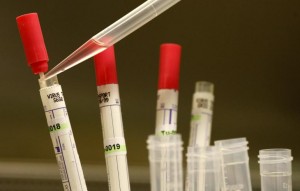
http://s1.ibtimes.com/sites/www.ibtimes.com/files/styles/v2_article_large/public/2014/08/06/rtxp7bg.jpg?itok=UaPC15xv
Sources:
http://www.nytimes.com/2014/08/30/world/africa/study-says-zmapp-works-against-ebola-but-making-it-takes-time.html?hp&action=click&pgtype=Homepage&version=HpSum&module=first-column-region®ion=top-news&WT.nav=top-news
http://www.ibtimes.com/zmapp-ebola-treatment-what-know-about-experimental-drug-made-tobacco-1650870
http://www.nbcnews.com/storyline/ebola-virus-outbreak/zmapp-saves-sick-monkeys-ebola-study-finds-n191966
 Views All Time
 Views Today
I think the use of this unapproved drug in the Ebola cases has brought many issues in the medical research field to light. For example, the lack of funding which resulted in the stop of progress in developing the drug. Many research labs face project holds as a result of insufficient funding. FDA approval takes many years requiring a great amount of funding which is currently being reduced.
The Chicago Tribune wrote an article (below) that stated funding for the National Institutes of Health has not increased from $30 billion since 2003. If inflation is taken into account, that means funding has been declining for over ten years. Without funding, many potential medical solutions are being put on hold and we are missing out on procedures and drugs that could be preventing and addressing serious illness. The FDA approval process can already takes anywhere from 18 to 26 years, the lack of funding only increases this timeline.
One extremely important research area that will suffer is the heart and stroke area. This year, the proposed 2015 budget implements an 1% budget increase which is seen as inadequate to Mariell Jessup, president of the American Heart Association. She stated that nearly 44% of the public is likely to face some type of cardiovascular disease by 2030. Without funding for research these Americans could miss out on potentially life-saving medical improvements.
http://blog.heart.org/medical-research-funding-lacking-in-proposed-2015-u-s-budget/
http://wernerfinalpozenproject.wordpress.com/2013/05/16/a-day-in-the-work-life-lisa-zimmerman-vp-clinical-operations-at-pozen/
http://articles.chicagotribune.com/2012-03-28/opinion/ct-perspec-0328-research-20120328_1_valve-medical-research-funds-surgery