Online Privacy and Cognitive Surplus
The chapter on cognitive surplus addressed some very interesting trends in recent society. I think that most of us can relate to the obsession with television with the introduction of Netflix instant streaming. With instant streaming you have the ability to watch every episode of a season of your favorite show with no commercials, one after another. Not only that, but you have the ability to watch multiple seasons. And when you finish all the seasons of your favorite show you can do the exact same thing with the hundreds of other show available on Netflix. It’s a dangerous habit to form. I have to force my mom to change the password while I’m at school because I have absolutely no will power.
The introduction of social media has provided a very effective distraction from our television obsessions though. I found this assertion interesting because in a way it supports the claims I make on my website that social media is an integral part of society today. In another way, it promotes the sharing of personal information and collaboration, which I am not directly opposed to, but I believe there should be limits on the extent of sharing that we do. It is a very blurred line and it is difficult to make precise distinctions between what is too much and what is not enough.
I found a Wikipedia page that gives a very complete overview of all the issues surrounding online privacy. It provided explanations of difficult technological terms, addressed current “hot topics”, discussed public views, and provided links to other pages with explanations of privacy laws, specific privacy concerns and privacy trends in other countries and among several age groups. If you were looking to learn a lot about the topic quickly, this is a great page to visit.
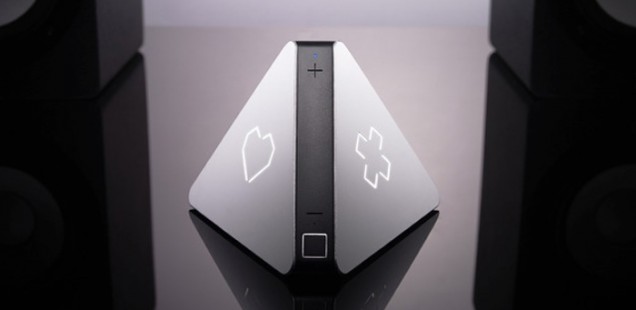
On Kickstarter, I found a really interesting project that brings up many privacy concerns, but is still really cool. The project is called Prizm. It is a speaker that you can connect you phone to. It syncs with all your music apps and creates the perfect playlists. It can detect how many people are in the room so it can set the right volume and the right mood. If there are a lot of people, it will play party music. If there are only a few, it will play mellow music. It gets creepier, but also cooler. It can recognize who is in the room based on the voice of that person. It then can access data it has collected about that specific person and play their music preferences. If two people are in the room, it can combine the preferences of those two people to create an all-encompassing playlist. This project is sort of in direct violation of everything I argue on the website about online privacy, but I can appreciate the advanced technology put into it and the collaborative effort is took to make the Prizm a success.
 Views All Time
 Views Today