Litter and Cognitive Surplus
I think the concept of cognitive surplus is interesting because we are witnessing it over the years whether we realize it or not. As technology advances, new ways to do things are being born and in turn, it changes our lives. Based on the chapter from Clay Shirky’s book , cognitive surplus is the amount of their free time people spend on creating rather than consuming. In addition to the reading, I watched a Ted Talks video where Clay Shirky (the author) talked about cognitive surplus and how it will change the world. He put an emphasis on how human kindness and intrinsic motivation is necessary for people to come together and work on something on a larger (and sometimes global) scale. He talked about “crisis-mapping”, which is the integration of smaller tidbit’s of information into one big map. This allows everyone to access data with a specific location for that data.
Wikipedia is a perfect example of coming together to form something on a much larger scale. The main page on my topic, litter, is composed of very in-depth information that allows the reader to learn as much as they can about a specific topic. Everyone that is qualified to contribute information to the page can do so, and that is a perfect example of cognitive surplus. The part that was interesting to me was the “talks” tab, where people can express their own views on the topic and perhaps provide someone with a better understanding through a different medium. For litter, people brought up a good point that litter can be attributed to fast food companies (because of the amount of bags, napkins, cups, etc. they produce) and smokers (because of the frequent litter of cigarette butts). This information may not be entirely true, but people now have a way to post their on views on the subject.
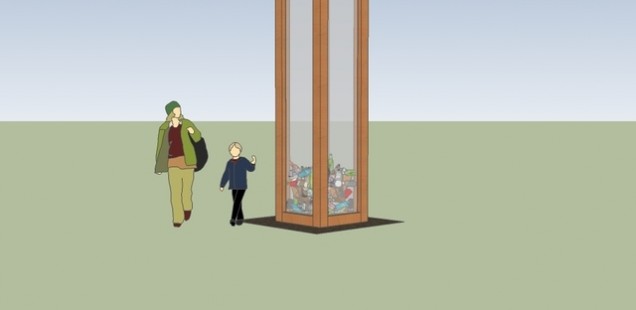
Kickstarter is another good example of a platform that allows people to come together to accomplish something. For projects involving litter, I found this one, where a woman is asking for $3,000 to build a litter sculpture in her area. This sculpture would promote anti-litter in her community while providing the public with an interesting sculpture made from litter. Her campaign was successful, because she was pledged $1000 more than what she was asking for.
 Views All Time
 Views Today